The Republic of Panama has repeatedly ranked among the happiest countries in the world and continues to attract students, retirees, professionals, and travelers from around the globe.
Our Spanish students consistently tell us the same thing: Panama is easy to love. Come see why.
The Republic of Panama is considered the happiest country in the world by the Gallup Poll of 2019.
And our students love Panama. Come see why!
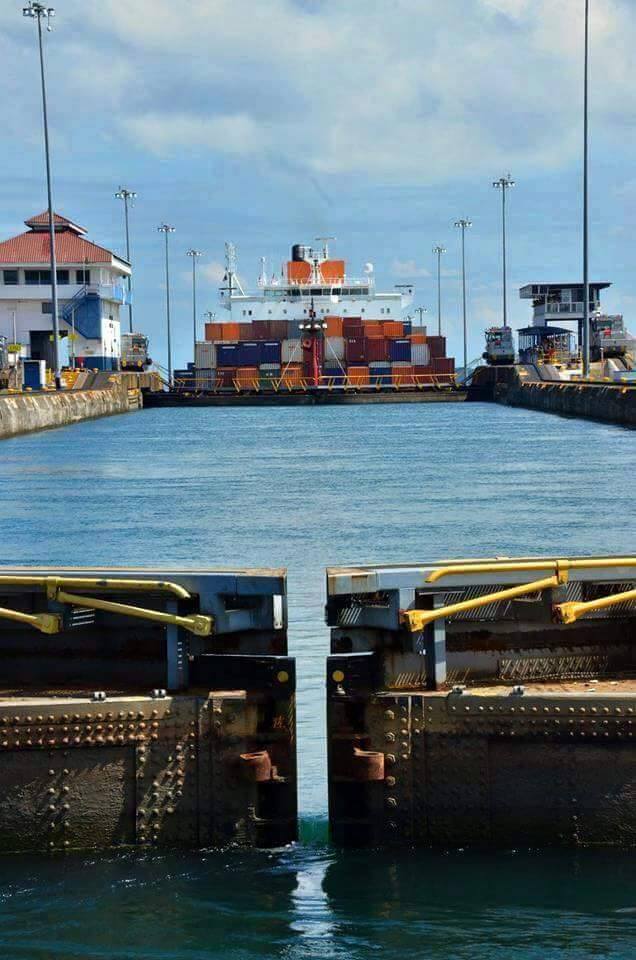
Panama Canal, Miraflores Locks
Why Panama?
Panama remains one of the best-kept travel and relocation secrets in the world.
“Outstanding natural beauty, astounding biodiversity.”
— Rough Guides
Despite global changes over the past few years, Panama has continued to modernize while preserving its cultural identity, natural environments, and welcoming lifestyle.
About the Republic of Panama
This small but remarkably diverse country offers:
-
Excellent infrastructure and direct flights to and from major cities in the U.S., Canada (even Calgary!), Europe, and Latin America
-
High quality of life, with modern hospitals, schools, universities, banks, and reliable services
-
One of the safest countries in the Americas, with strong international importance due to the Panama Canal
-
Year-round warm climate, with cooler temperatures in the highlands
-
No hurricanes, tornadoes, or extreme weather, making it attractive for long-term living
-
Rich cultural traditions, including seven indigenous groups, Carnival celebrations, pollera dresses, and molas
-
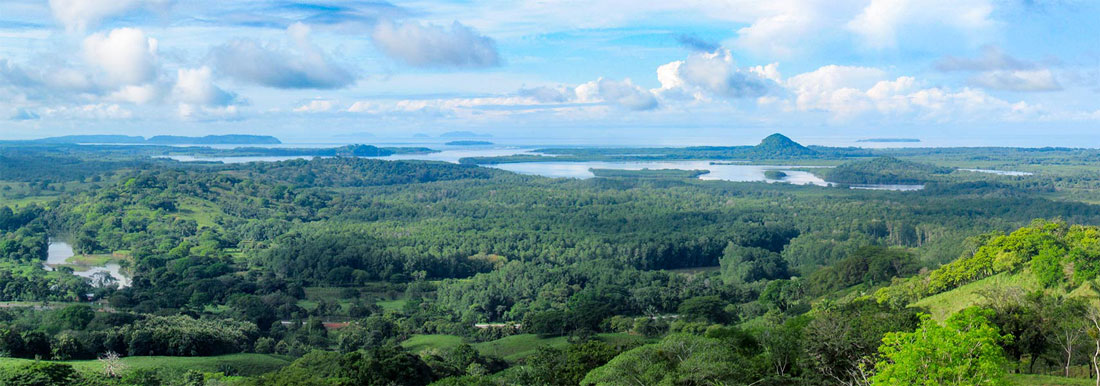
Exceptional biodiversity, with rainforests, national parks, and world-class birdwatching
-
Two coastlines, uninhabited islands, snorkeling, scuba diving, whale watching, surfing, and outstanding fishing
Panama holds a world record logged by the Audubon Society for the highest number of bird species observed within a 24-hour period in Gamboa.
Provinces and Regions
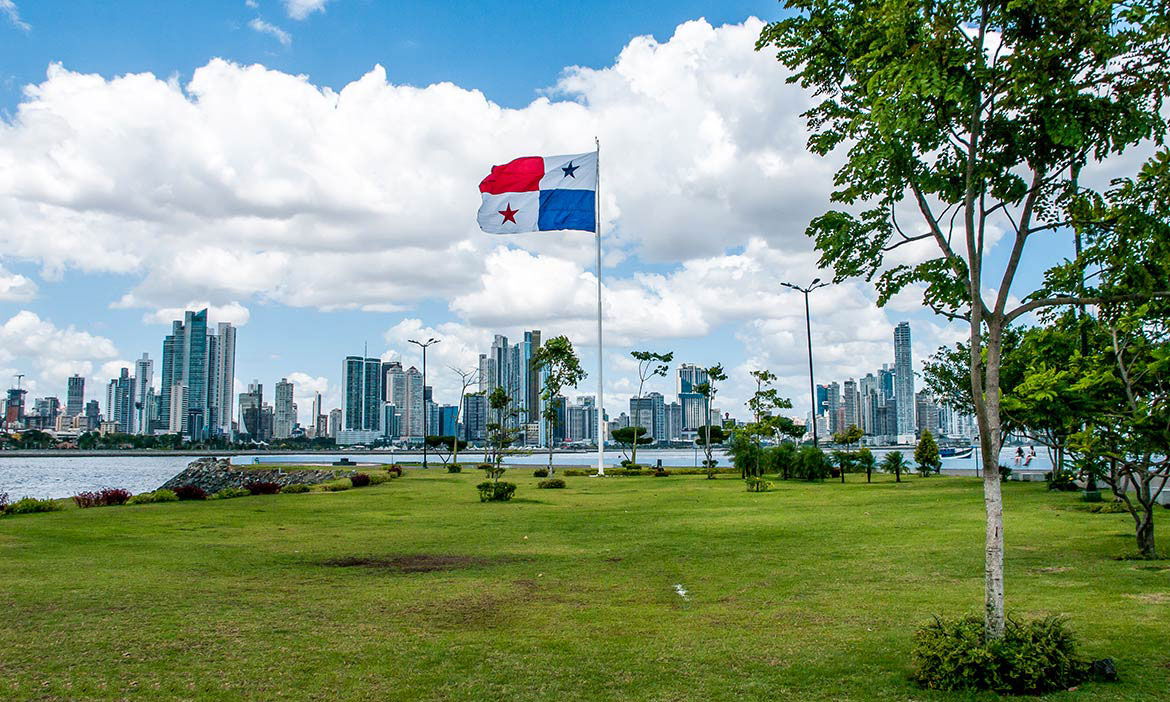
Panama is bordered by Costa Rica to the west, Colombia to the southeast, the Caribbean Sea to the north, and the Pacific Ocean to the south. Its capital is Panama City.
The country is divided into 10 provinces and 5 indigenous comarcas, covering approximately 75,000 square kilometers — similar in size to Ireland or South Carolina.
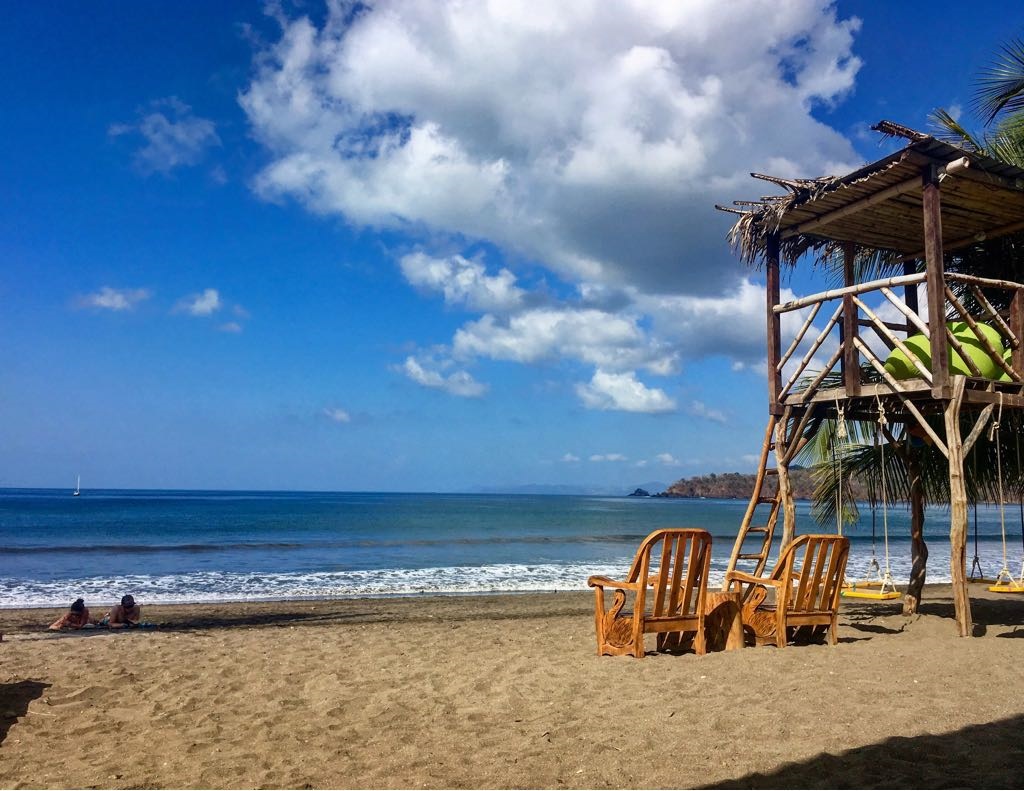
Panama has many beautiful coastal and island beaches
Provinces:
-
Bocas del Toro
-
Chiriquí
-
Coclé
-
Colón
-
Darién
-
Herrera
-
Los Santos
-
Panamá
-
Panamá Oeste
-
Veraguas
Indigenous Regions (Comarcas):
-
Emberá
-
Guna Yala
-
Ngäbe-Buglé
-
Guna de Madugandí
-
Guna de Wargandí
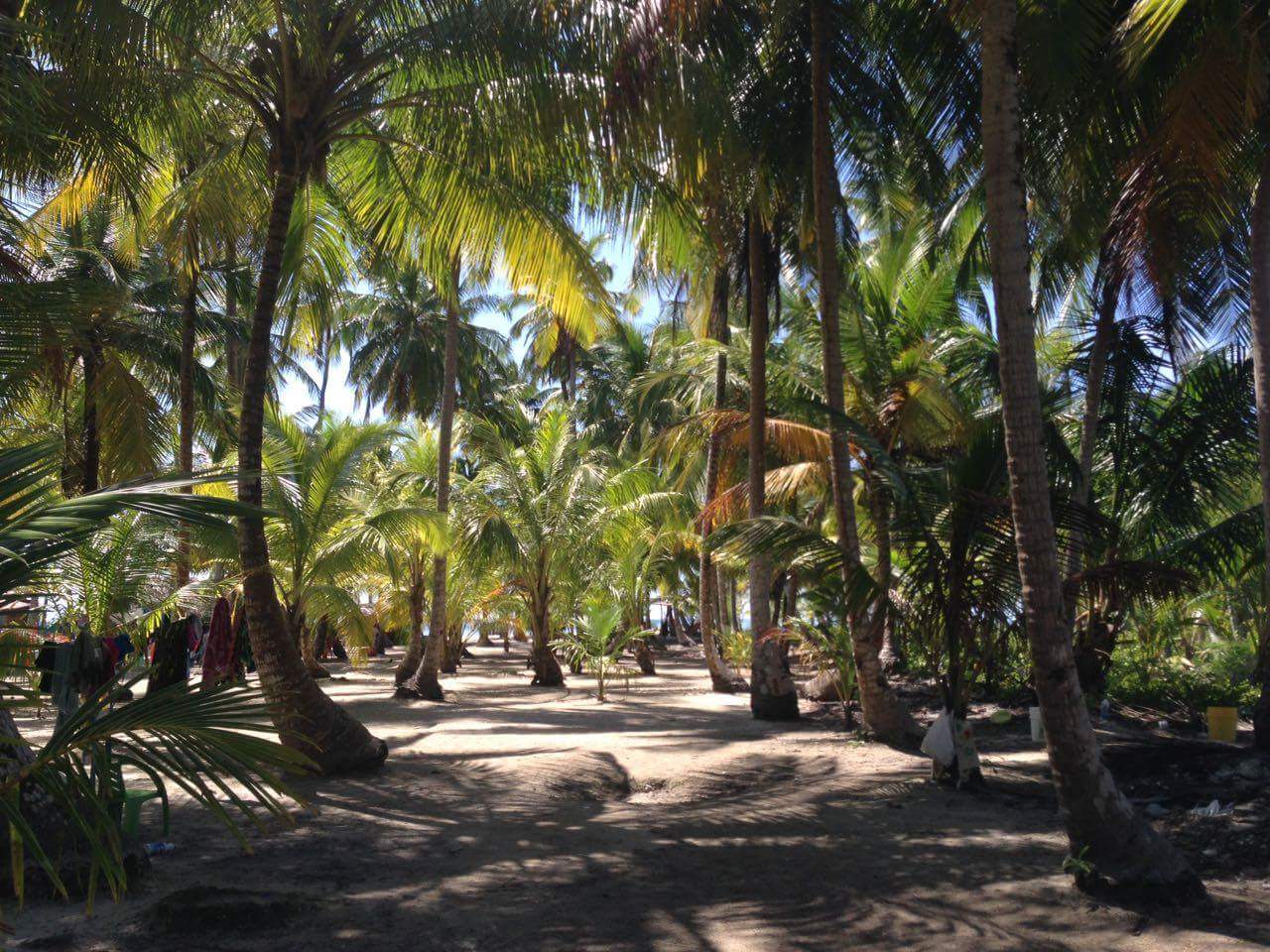
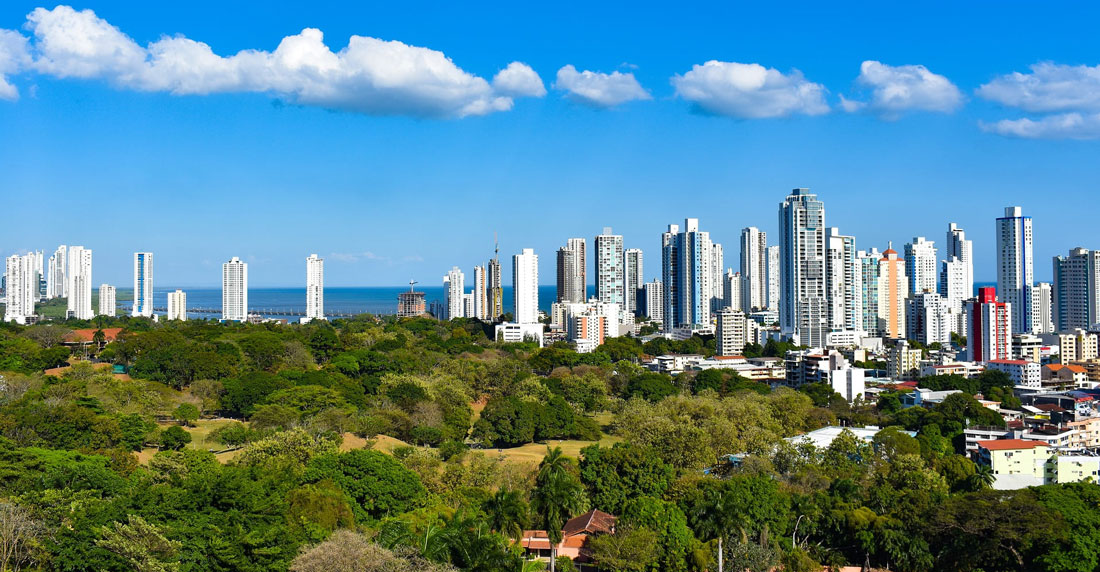
Even when you are in the city, you are not far from the serenity of the tropical forest
A Brief History of Panama
Explored by the Spanish in the 16th century, Panama gained independence from Spain in 1821 and later separated from Colombia in 1903. This allowed for the construction of the Panama Canal, completed in 1914.
The Canal was fully transferred to Panamanian control at the end of the 20th century and remains one of the most important trade routes in the world today.
Telephone: (+507) 213-3121 Email: info@spanishpanama.com
Demographics
Panama has a population of approximately 4.3 million people, making it the smallest Spanish-speaking country in Latin America by population.
The population is ethnically diverse, including mestizo, indigenous, Afro-Caribbean, and European communities. More than 75% of the population lives in urban areas, primarily within the Panama City–Colón corridor.
Spanish is the official language. English is widely spoken, especially in business and education, though Spanish remains essential for daily life and cultural integration.
Education
Public education began in Panama in 1903, and today literacy rates exceed 94%. Panama offers a wide range of private, bilingual, and international schools, as well as public and private universities.
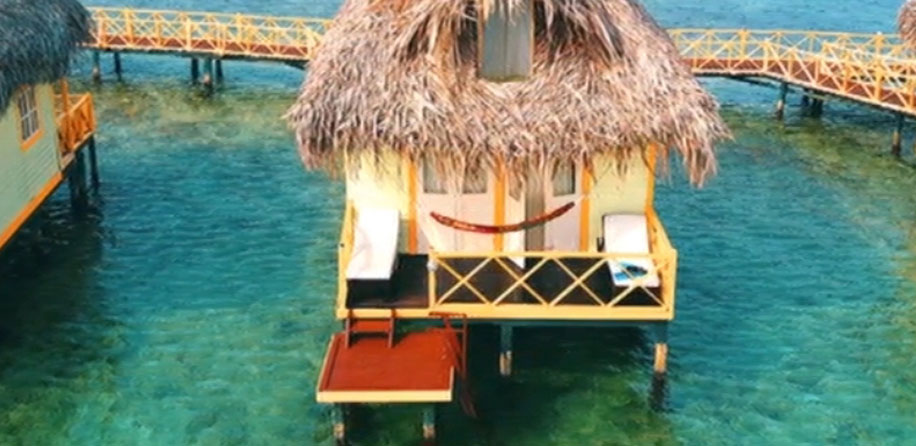
San Blas islands
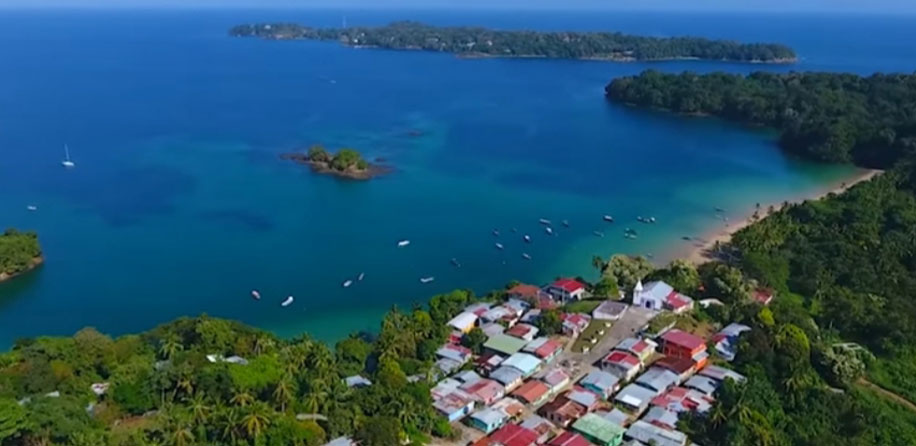
Pearl Islands
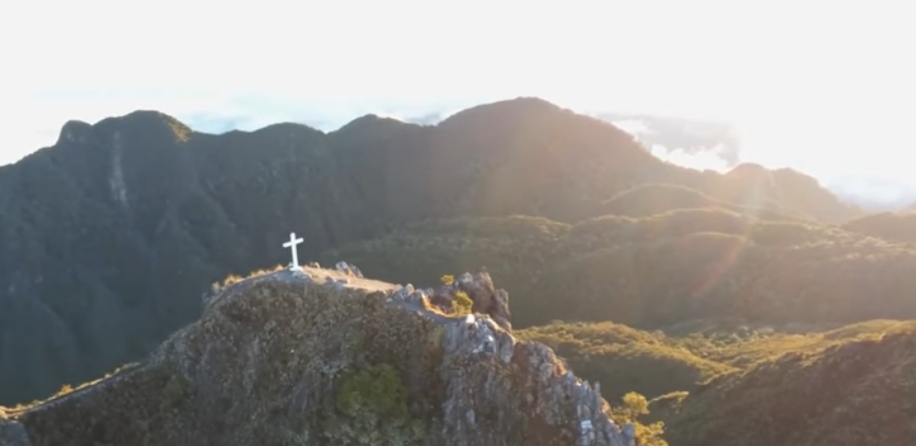
Volcan Barú
Currency in Panama is the U.S. Dollar
The official currency is the Balboa, which is pegged 1:1 to the U.S. dollar. In daily life, U.S. dollars are used almost exclusively for paper currency.
Economy
Panama’s economy is service-based, centered on banking, logistics, commerce, tourism, and the Panama Canal. While the COVID-19 pandemic temporarily affected tourism and employment, Panama has experienced a steady recovery.
The country continues to attract international investment and remains one of Latin America’s most stable economies.
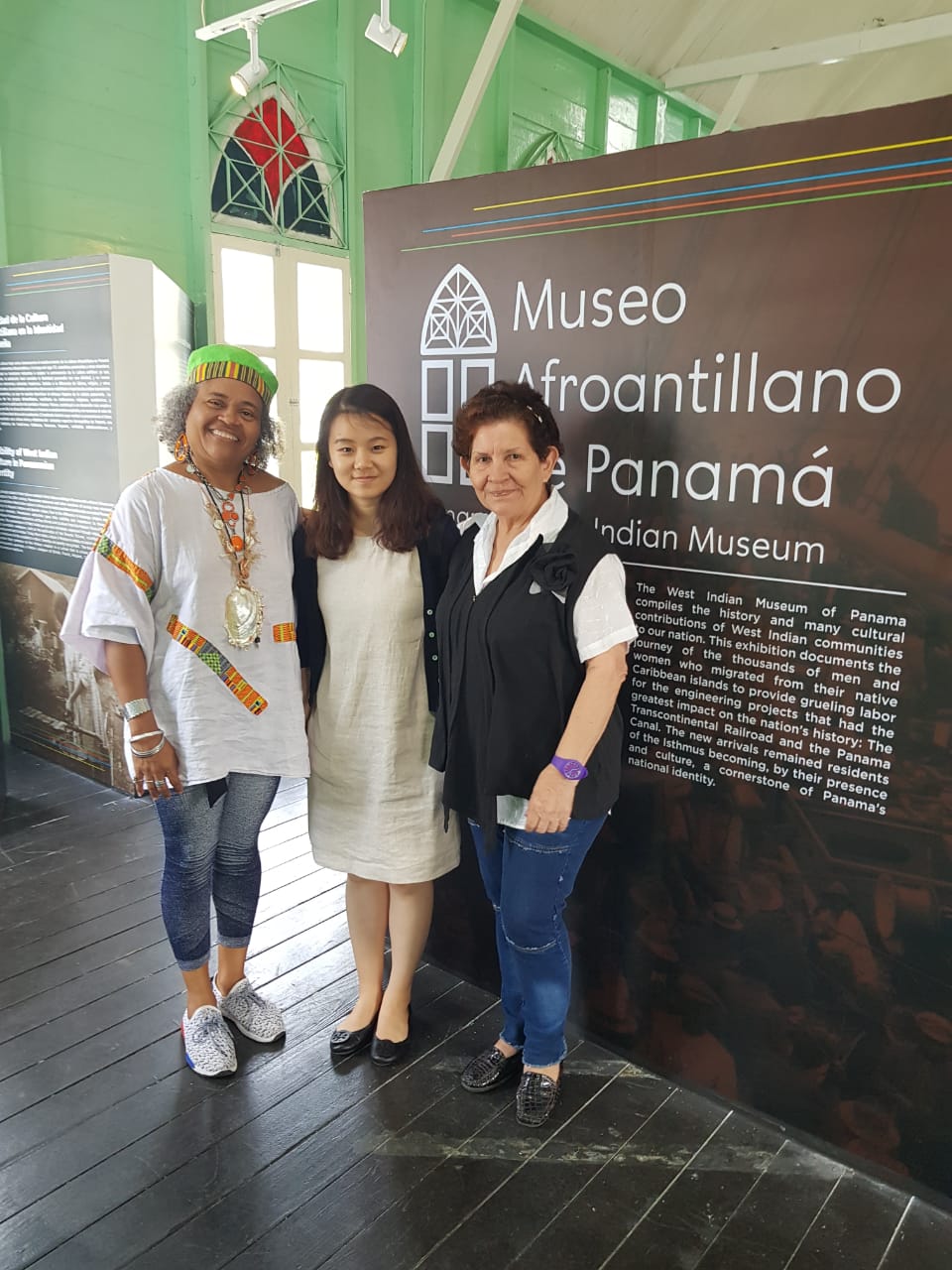
Spanish classes onsite, Chinese student with teacher, studying African history of Panama
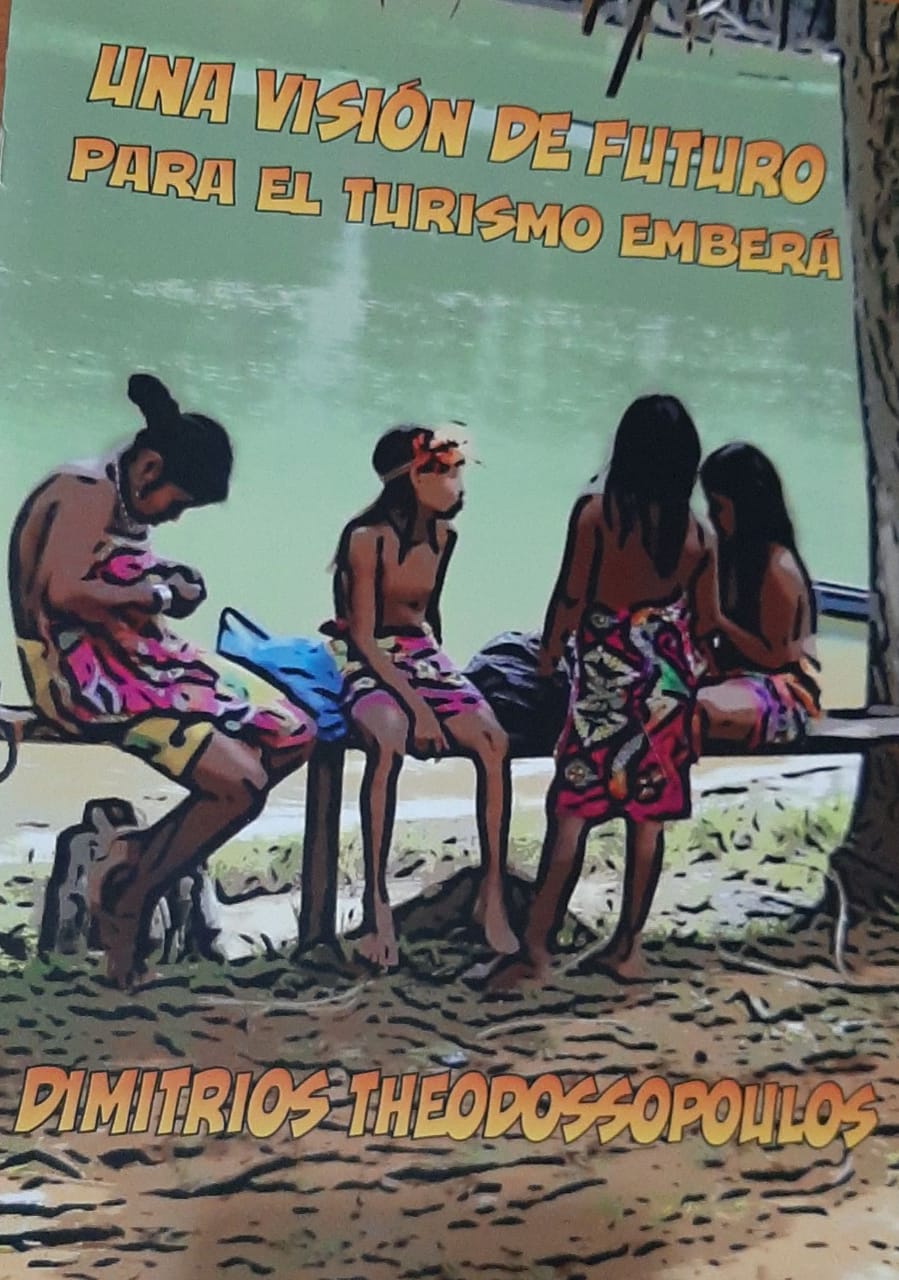
This book was written by one of our Spanish students. He studied with us many times as he was researching the indigenous peoples of Panama
Tourism & Lifestyle
Tourism has rebounded strongly, supported by PTY or Tocumen International Airport — Central America’s largest hub — and Panama’s appeal as a retirement, travel, banking, international corporporation, and study destination.
Its mix of modern cities, historic towns, rainforests, beaches, and cultural traditions makes Panama especially attractive for Spanish language learners seeking immersion inside and outside the beautiful classrooms.
Culture, Religion & Society
Panamanian culture blends Spanish, African, indigenous, and Caribbean influences. Music, dance, regional festivals, and artisanal crafts play a central role in daily life.
Religion is important to many Panamanians, with Roman Catholicism being the largest faith, alongside Protestant, Jewish, Muslim, and Buddhist communities.
Politics
Panama is a presidential democratic republic with elections every five years. Civic participation is high, and democratic institutions remain stable. If you are reading this, you must know that many people come here from certain countries just “to get away from it all”.
Learn Spanish in Panama
Spanish Panama Language School, located in the heart of Panama City, offers students the opportunity to learn Spanish while experiencing one of the most diverse, welcoming, and dynamic countries in the world.