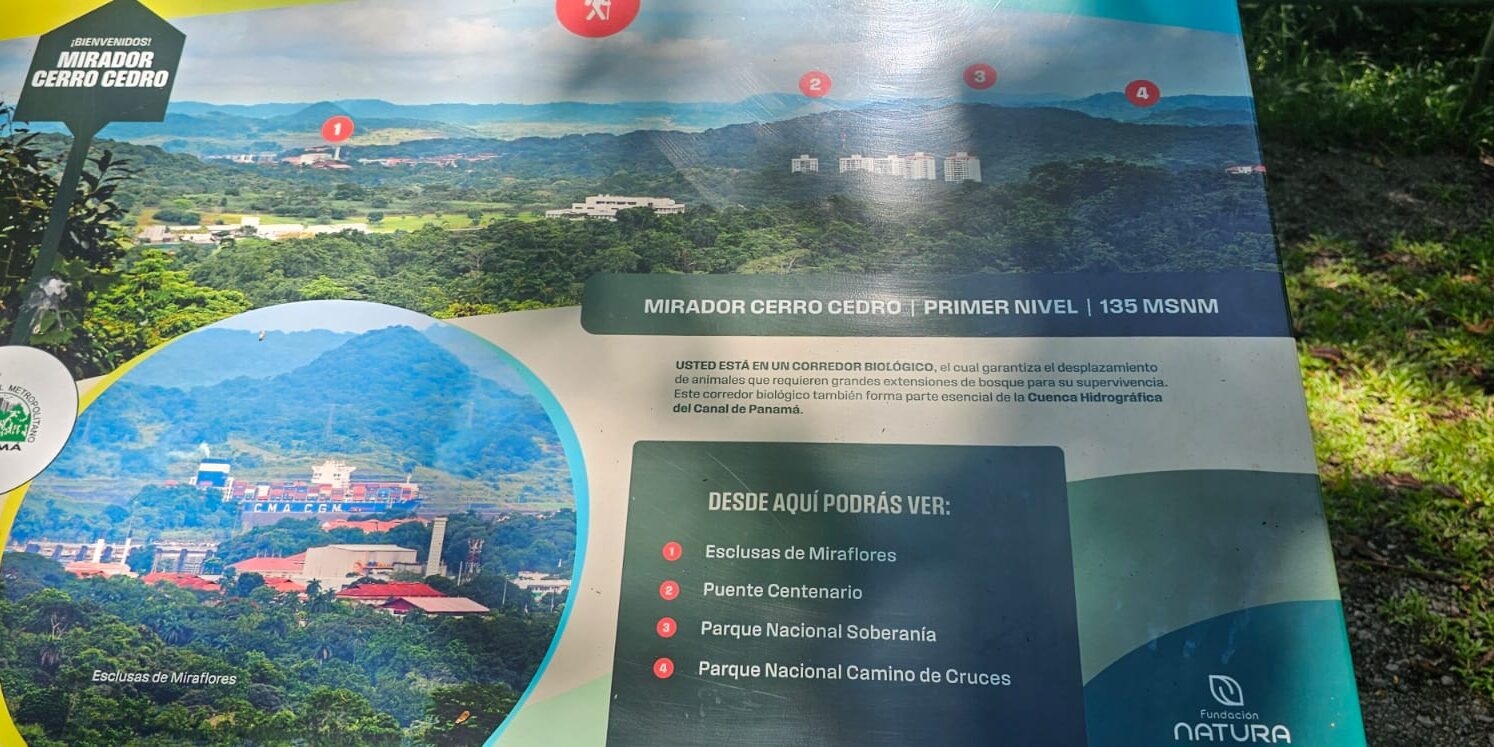
It is rare for a major capital city to have a protected tropical forest inside its urban limits—yet Panama City has exactly that. Just minutes away from El Cangrejo and Via Argentina, Metropolitan Natural Park (Parque Natural Metropolitano) offers visitors and Spanish students a chance to step directly into a living Central American rainforest without leaving the city.
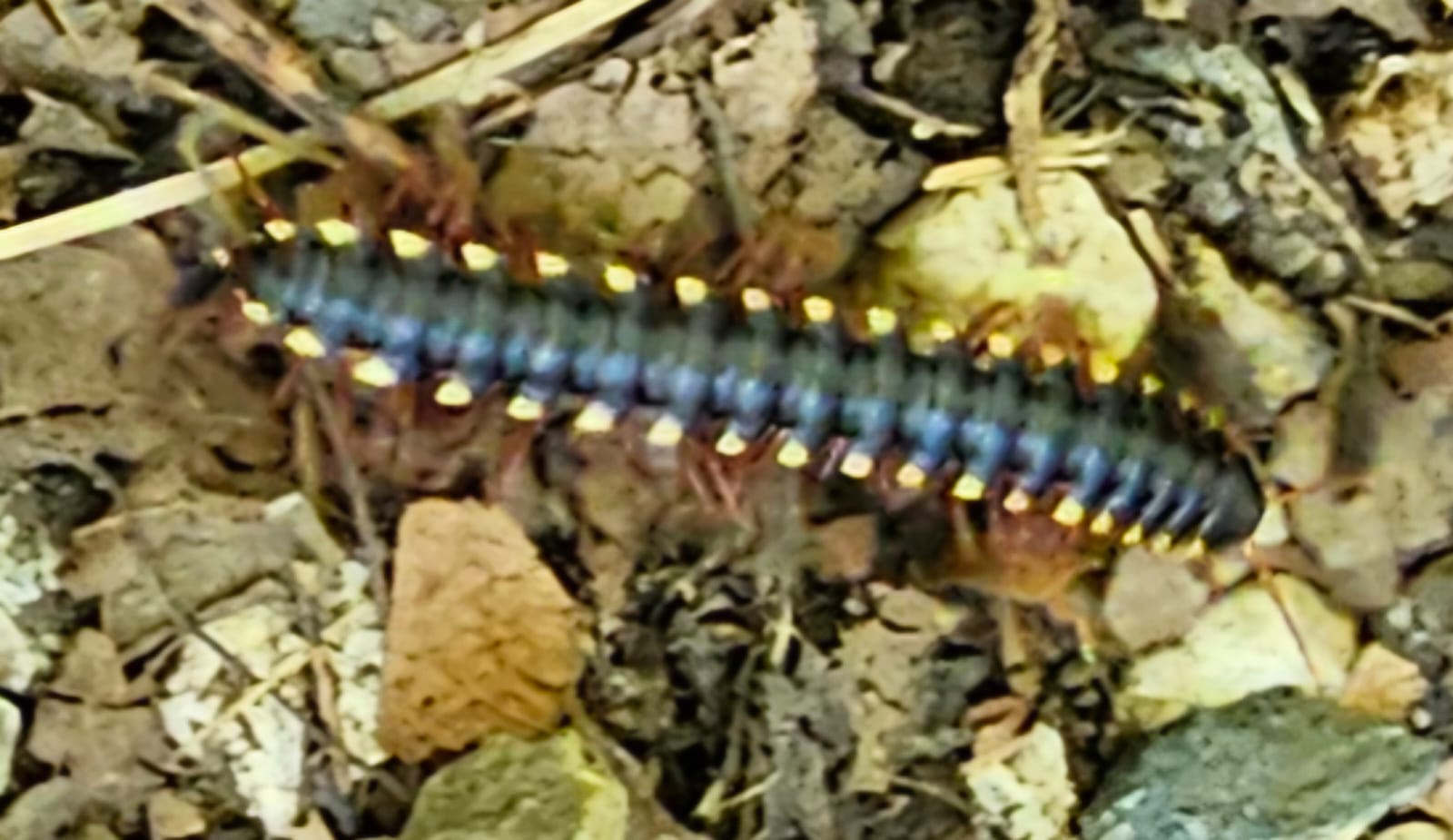
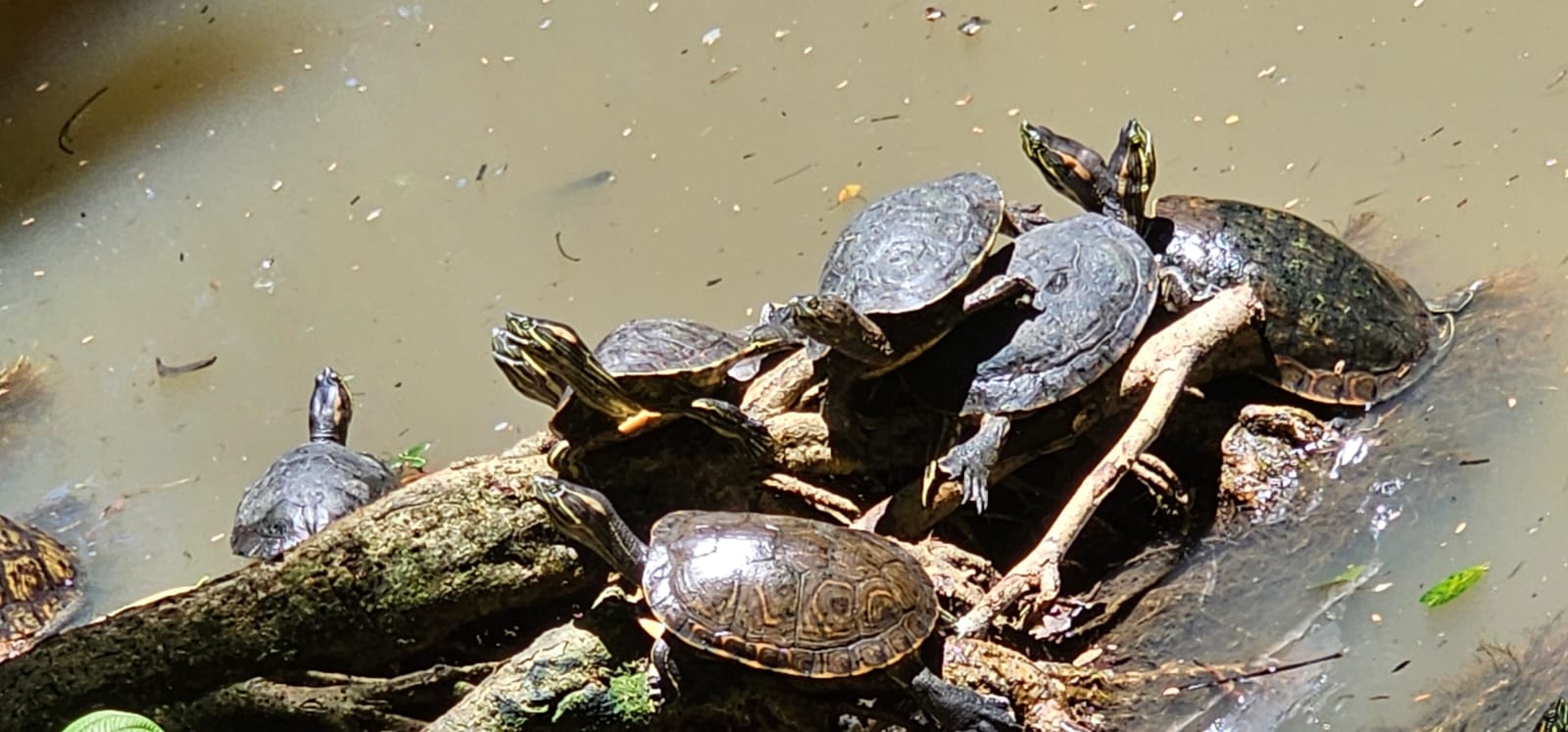
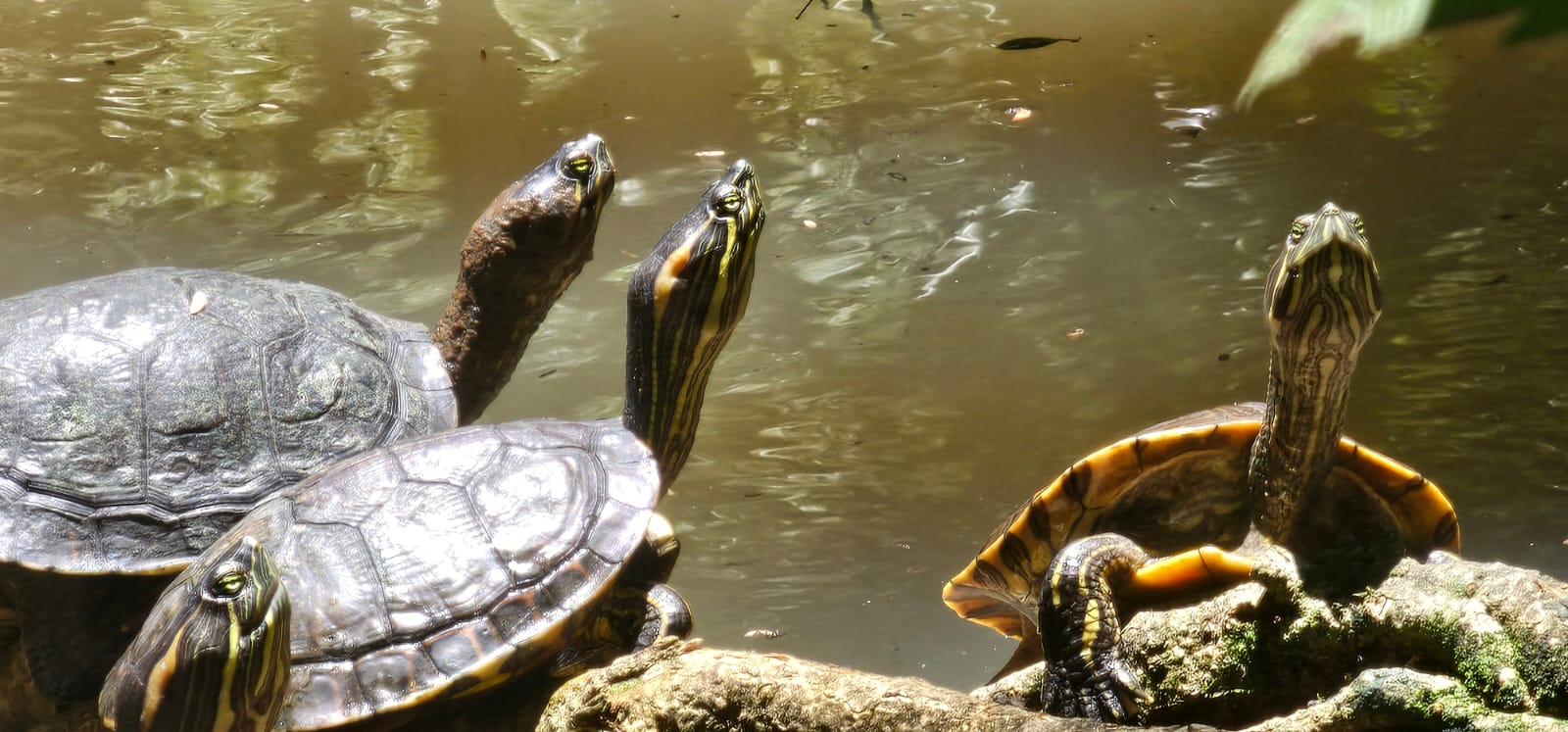
On a recent Friday cultural outing, students from Spanish Panama Language School encountered a wild turtle (pictured) and later observed sloths resting high in the canopy. These wildlife sightings are not only exciting—they demonstrate why the park is considered one of the most important ecological reserves in Panama’s capital.
A Brief History of Metropolitan Natural Park
Metropolitan Natural Park was officially established in 1985 after decades of pressure to protect the remaining green areas of Panama City. Prior to its creation, this land was part of a U.S. military zone, which helped keep it undeveloped. When Panama regained full control, environmental organizations, scientists, and educators advocated strongly to preserve the area.
The result was the creation of a 232-hectare protected forest, making Metropolitan Natural Park one of the only tropical dry forests located within a major Latin American city. Its purpose was (and remains):
- To preserve urban biodiversity
- To protect threatened species
- To serve as a living classroom for students and researchers
- To offer accessible outdoor recreation for residents and visitors
- To prevent total urbanization of Panama City’s remaining natural spaces
For us at Spanish Panama Language School it has been one of our students’ favorite Friday cultural activity. It’s close to the school and a nice way to practice Spanish with Spanish students in nature.
Wildlife Spanish Students Can Encounter
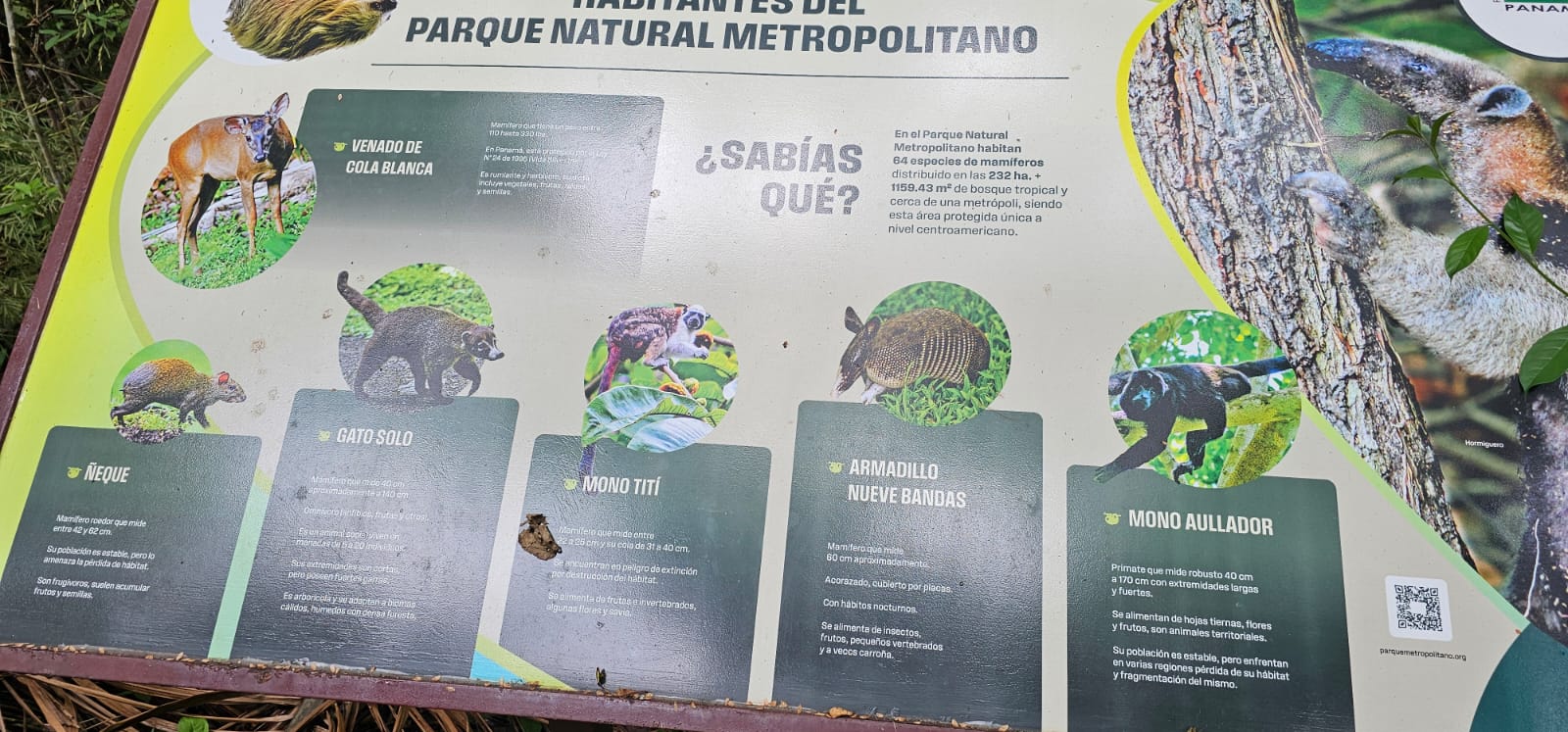
Metropolitan Natural Park is known for being one of the best wildlife-viewing spots near downtown Panama City. During Spanish Panama’s cultural excursions, students may encounter:
- Sloths
Both the two-toed and three-toed sloths live here. They can often be seen resting on cecropia trees or moving slowly along the branches.
- Turtles
The turtle photographed by our students is a common sight near forest floors, streams, and leaf-covered trails.
- Agoutis (ñeques)
Shy but charming rodents that roam the forest floor looking for fruit. These have different names in different countries, and in Panama we call them Ñeques.
- Deer
White-tailed deer occasionally appear in quieter parts of the park as they are approachable, quiet and shy.
- Coatis
These raccoon-like animals move in groups and often cross hiking trails. Groups of them can be seen here as well as in Ancon.
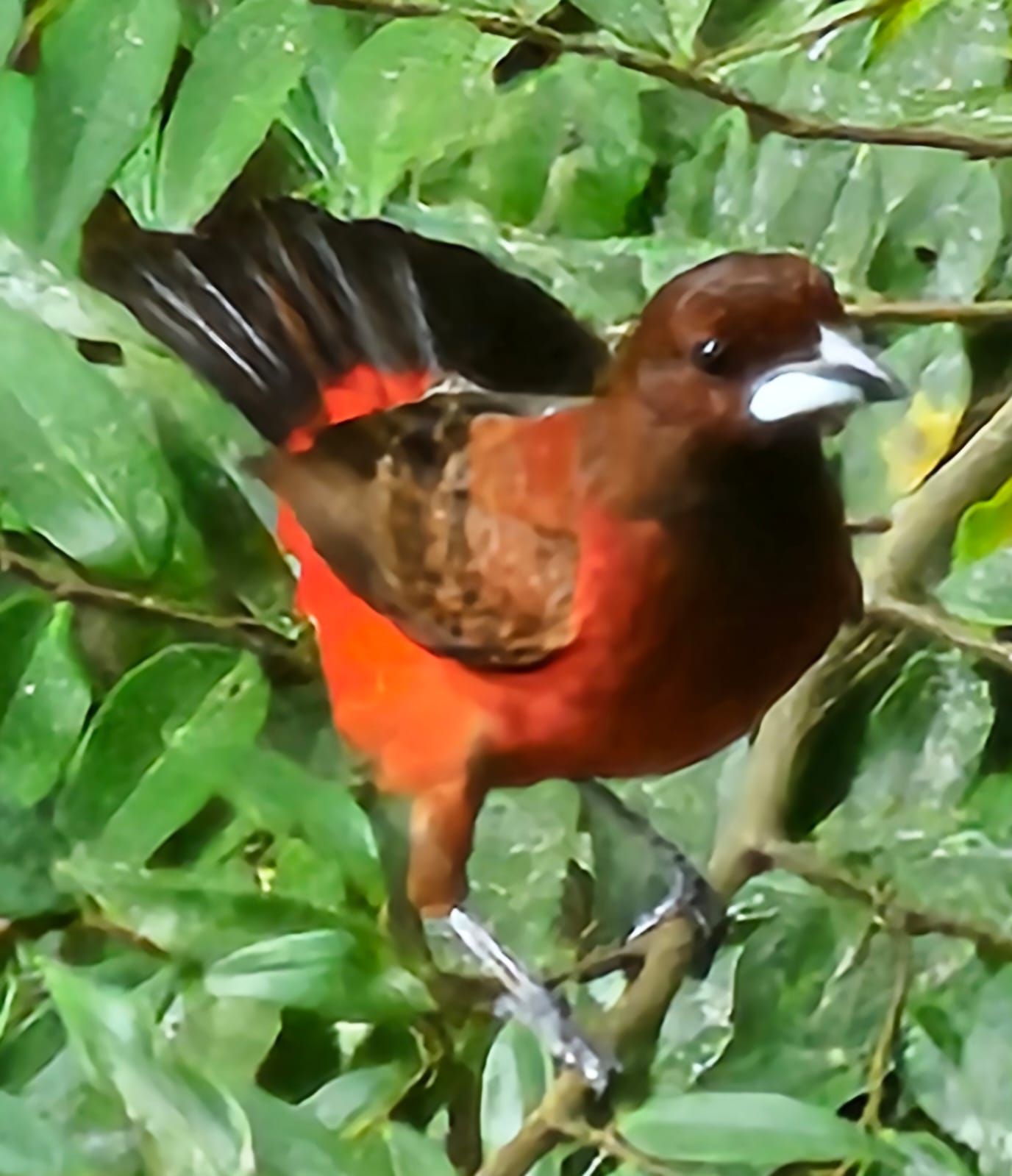
Birdlife: A Paradise for Urban Birdwatchers
The park is especially popular with bird enthusiasts. More than 230 species of birds have been recorded, including:
- Keel-billed toucans
- Trogons
- Motmots
- Lineated woodpeckers
- Flycatchers
- Hummingbirds
- Parrots and parakeets
The combination of city skyline views and rainforest habitat makes the park one of the most accessible birding destinations in Central America. By the way, did you know that many of these bird species, including the beautiful toucan, can be seen from our very open social terrace area of our school. Different bird species go for different kinds of trees. Ask your Spanish teacher to help you discover these with our binoculars, and bird related vocabulary and phrases, or put seeds in the feeder on the balcony and watch them eat!
Why Spanish Panama sometimes Includes the Park in Its Friday Cultural Immersion
Located only 10 minutes from Spanish Panama Language School in El Cangrejo, Metropolitan Natural Park is an ideal place for students to:
- Practice Spanish with guides and Panamanian staff
- Learn vocabulary related to nature, animals, and ecology
- Experience real Panamanian biodiversity
- Connect exercise, culture, and language learning
- Understand the environmental identity of Panama
This is a beautiful cultural immersion activity and helps students explore Panama City outside the classroom.